Driveways, patios, courts and garage floors
Concrete Contractor in Layton, Utah
Concrete planned around how your family uses the yard and garage, built for Davis County winters. Get a free estimate.
Serving Layton plus the Davis, Weber, Morgan and Box Elder County towns
Get Your Free Concrete Estimate
Describe what you'd like built, roughly how big, and the town it's in. You'll get a callback from the contractor to go over the details and book a visit.
- Free estimates
- Residential and commercial
- Layton and nearby towns
- Built for Utah winters
Takes about a minute. Photos and rough sizes help.
Concrete planned around how your household lives
We pour the hard surfaces a household leans on every day: the driveway that has to fit two cars and a trailer, the patio where summer dinners happen, the court where the kids burn off energy after school, and the garage floor that soaks up salty slush from November to March. We start with how you use the space, not with a stock size. Who parks where? Where does the afternoon shade fall? Does the boat need a straight shot to the side gate? Answer those first and the layout, thickness and finish mostly choose themselves.
Layton is really several kinds of neighborhood inside one city limit, and each asks something different of concrete. Up on the east bench above US-89 and Highway 193, newer subdivisions sit on sloped lots where a flat patio or a level court usually means building a retaining wall first, and an HOA often wants to see colors and patterns before anything is poured. Closer to Main Street, older homes tend to have narrow single driveways, tired walks and slabs that have settled over the years. Around Hill Air Force Base, plenty of families are planning around their next set of orders, so a project has to make sense for the time they'll be here.
Most of the decisions are trade-offs, and we'll lay them out plainly. A broom finish grips better on an icy morning; a stamped surface looks richer but wants resealing every few years. Plain gray hides wear, while colored concrete warms up a yard but fades faster under the strong sun at this elevation. Flake epoxy hides dust and adds grip, and a solid color looks sleek but shows every tire mark. Underneath all of it sits the same homework: air-entrained concrete, a well-compacted base, joints in sensible places and enough slope to send meltwater away from the house. Tell us what you're picturing and we'll help you sort it out.
Good to know
Design notes worth reading before you pour
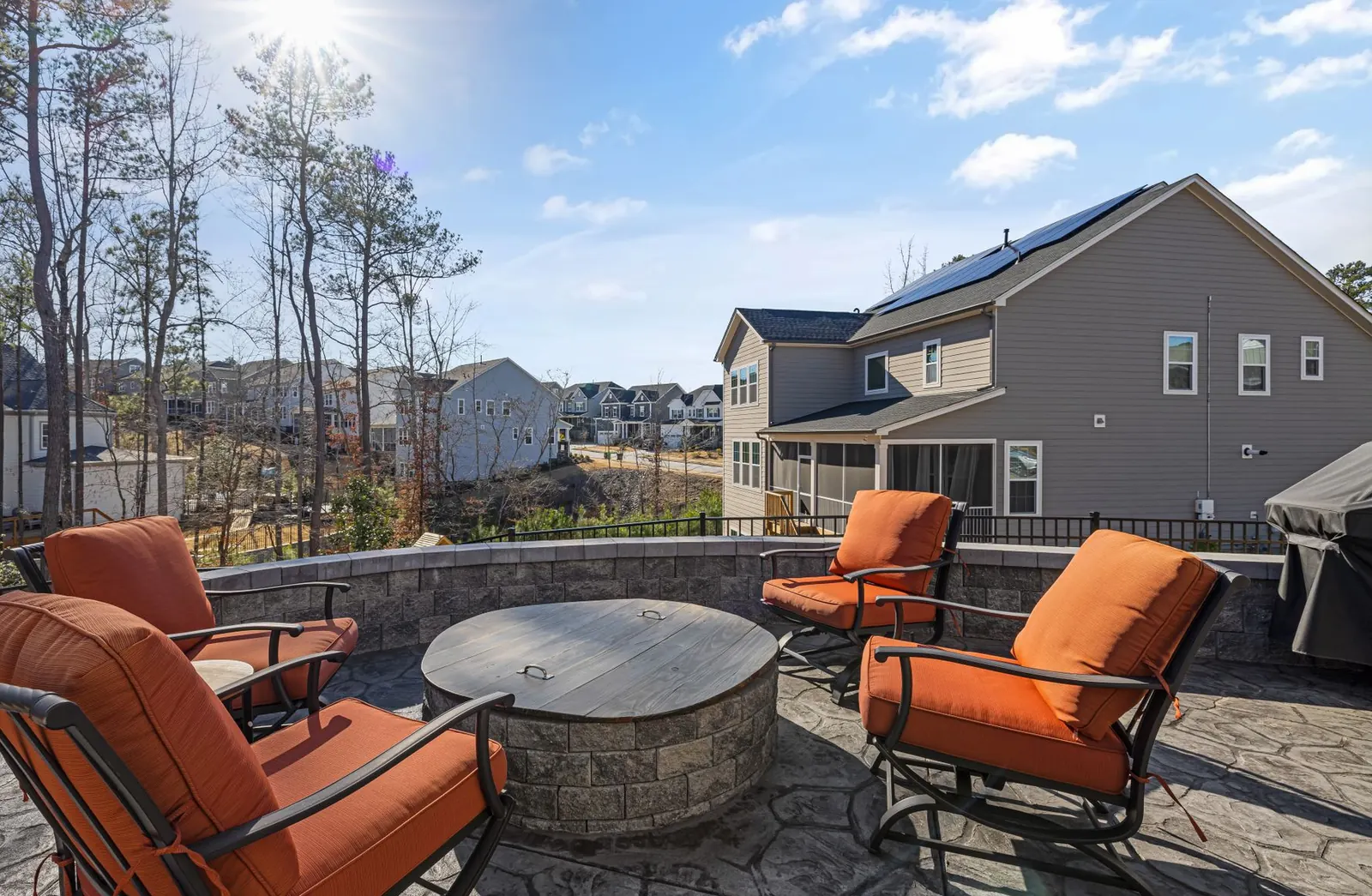
Size the patio to the table you own
Set your actual table and chairs on the lawn, pull the chairs back as if people are sitting, and measure the outline with a few feet to spare. A dining set for six plus a grill rarely fits on a 10 by 10 square, so staking the shape and living with it for a weekend beats guessing.
Choose color with the sun in mind
UV at this elevation is strong enough to wash out deep reds and charcoals within a few summers. Tans, warm grays and earthy browns fade more gracefully, and a fresh coat of UV-blocking sealer every couple of years stops color from going chalky.
Treat joints as part of the design
Every slab shrinks and shifts through the seasons, and control joints decide where the cracks go. Lining them up with house corners, steps and pattern lines makes a patio or driveway look intentional, and keeping them out from under the dining table keeps chair legs from catching.
Grind the garage floor, don't just wash it
Garage coatings tend to fail where they meet the concrete, not in the middle of the film. Diamond grinding gives the epoxy a rough, open surface to hold, and a quick moisture test catches slabs that would push a coating off from below once summer heat arrives.
Yard and garage concrete
Six ways to get more out of your yard and garage
Pick one or pair a few; a wall that levels the yard often comes before the patio or court that sits on it.
Driveways
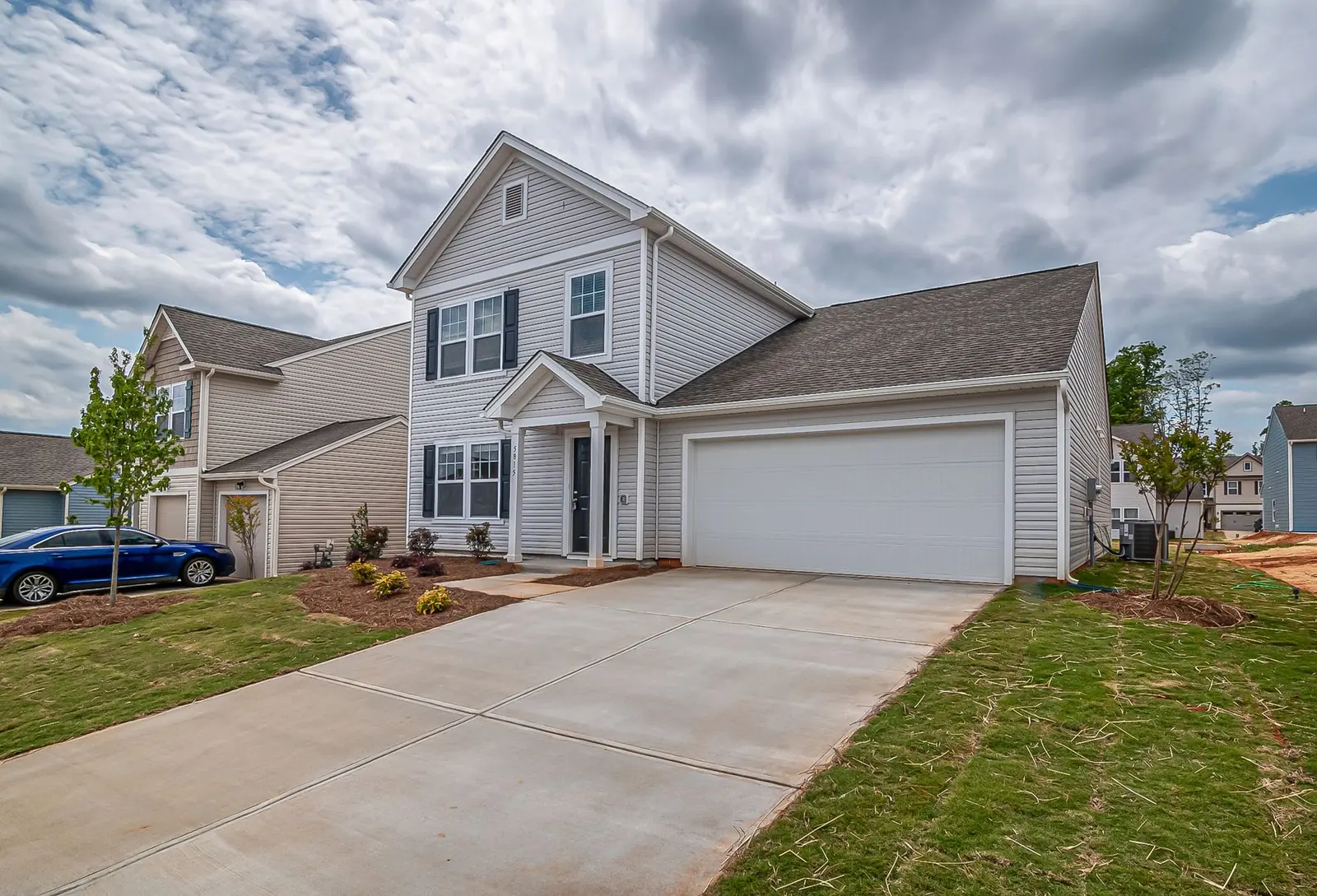
New driveways, widenings, replacements and RV pads, laid out around what you park and built to handle salt and frost.
More on Driveways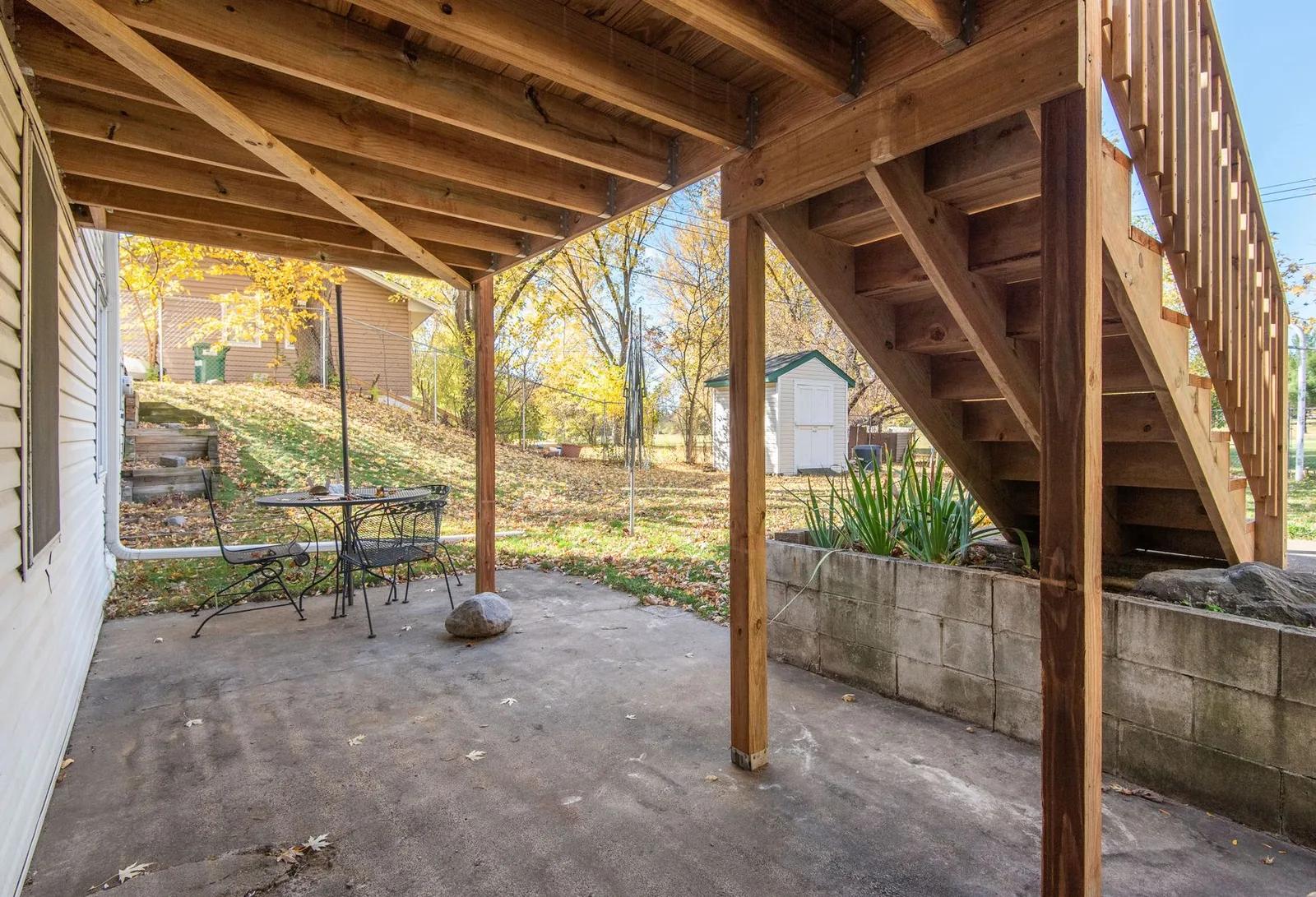
Patios
Back yard patios sized for real furniture, with room for the grill, a hot tub pad and a finish that suits the house.
More on Patios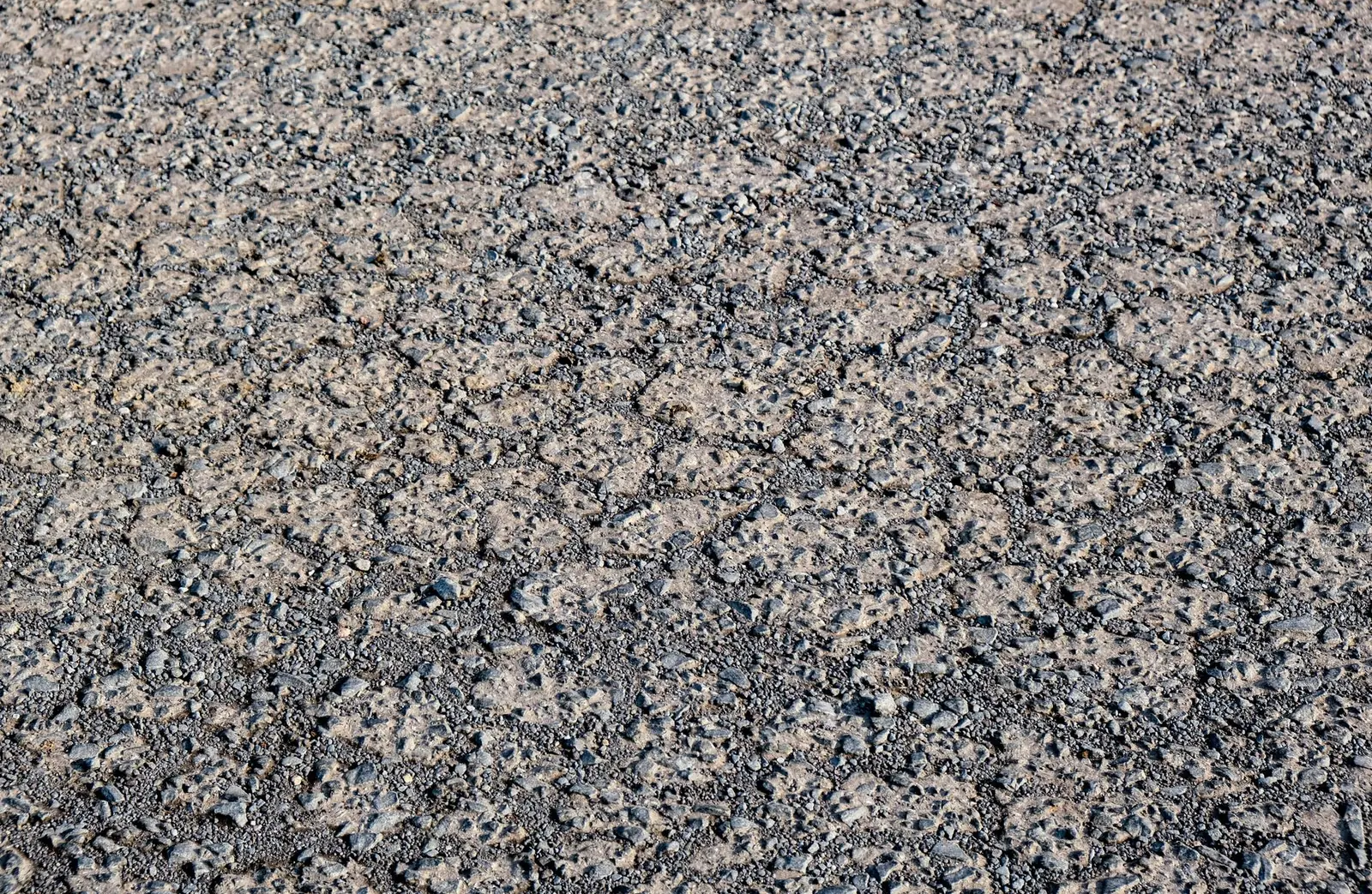
Stamped Concrete
Patterned, colored concrete that gives a patio, walk or driveway border the look of stone or wood, sealed for sun and salt.
More on Stamped Concrete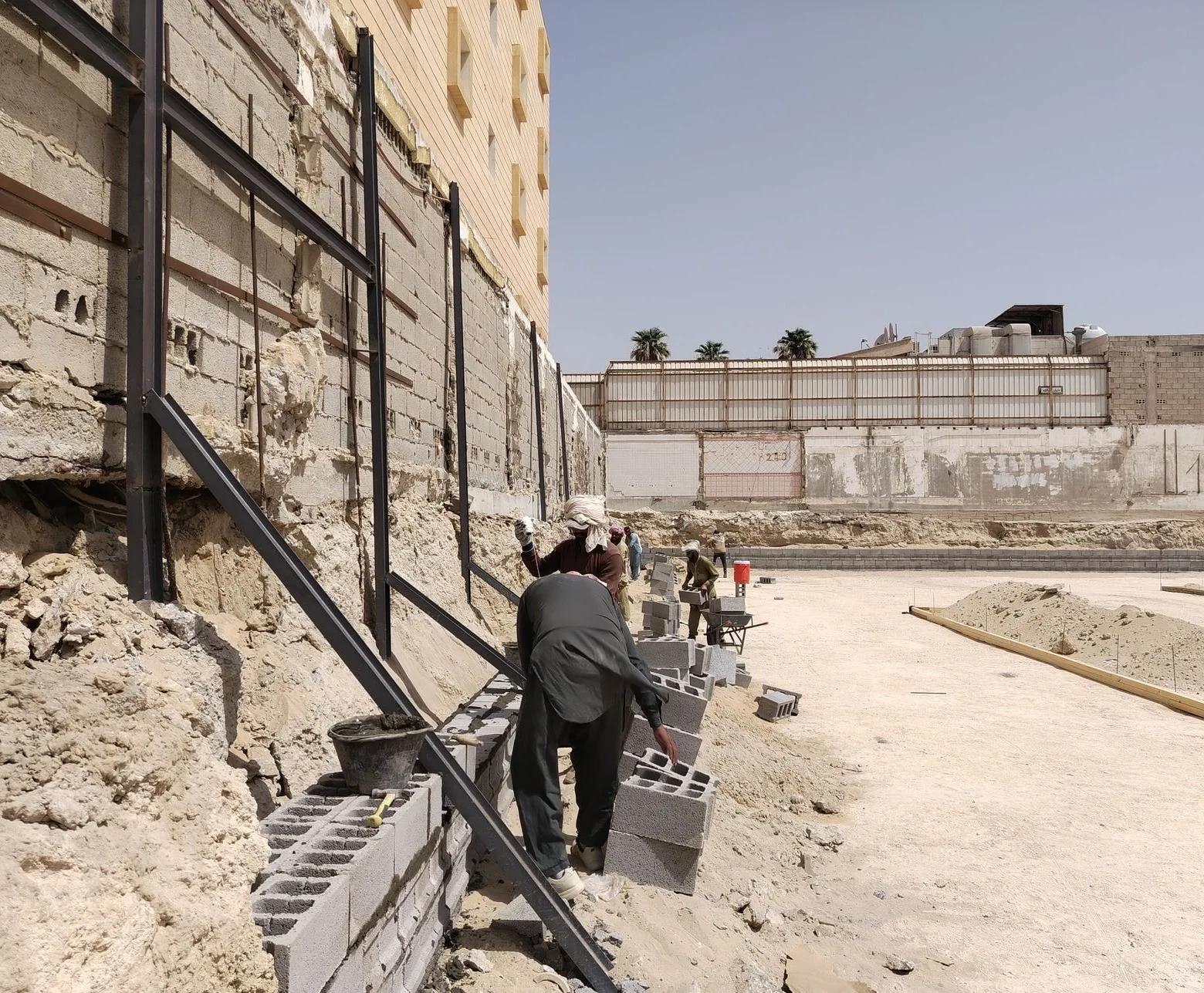
Retaining Walls
Block and poured concrete walls that turn a hillside into level yard, with the drainage behind them done right.
More on Retaining Walls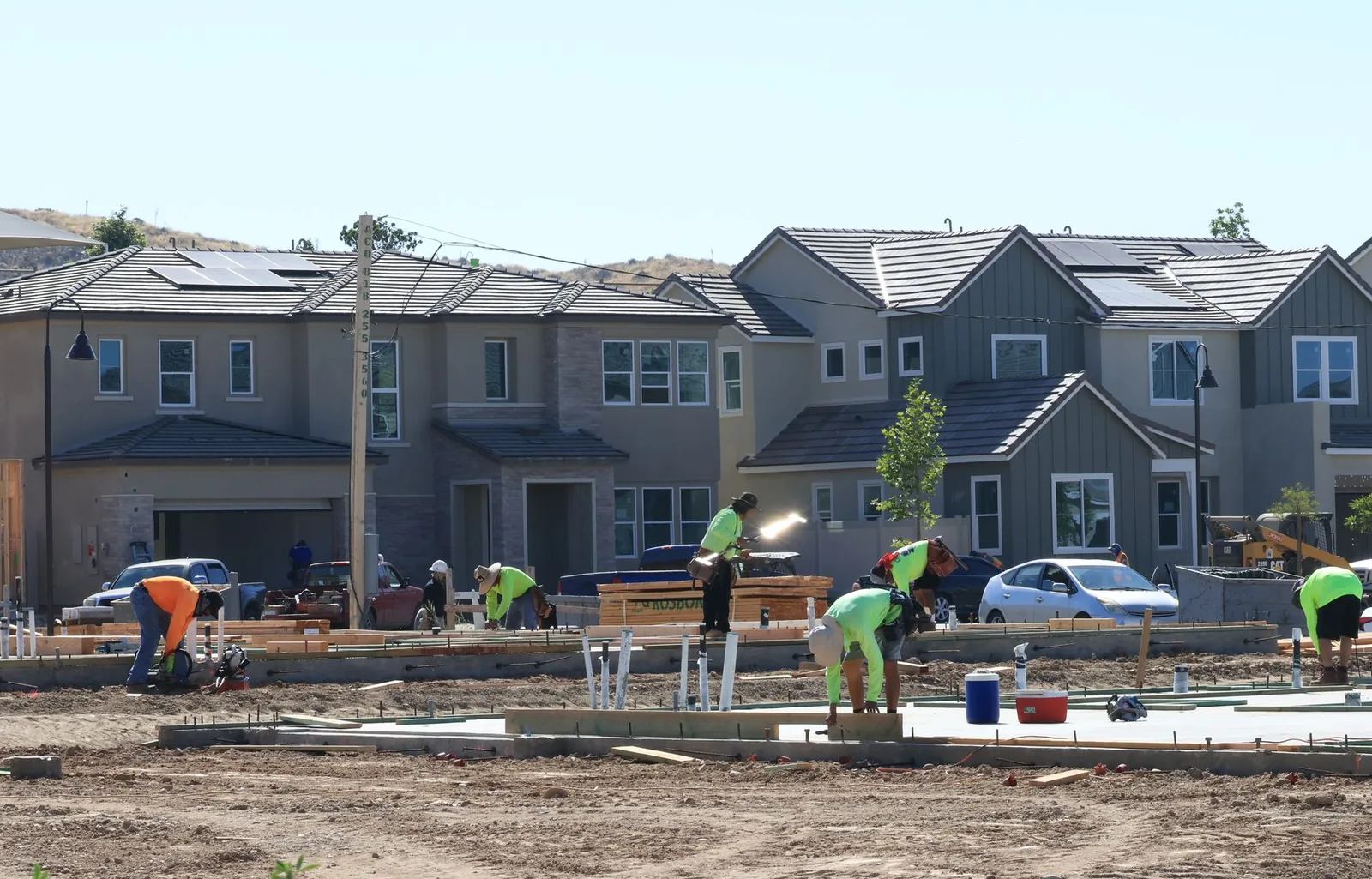
Sport Courts
Reinforced court slabs for pickleball, basketball and multi-sport play, sized to your yard and laid out for the sun.
More on Sport Courts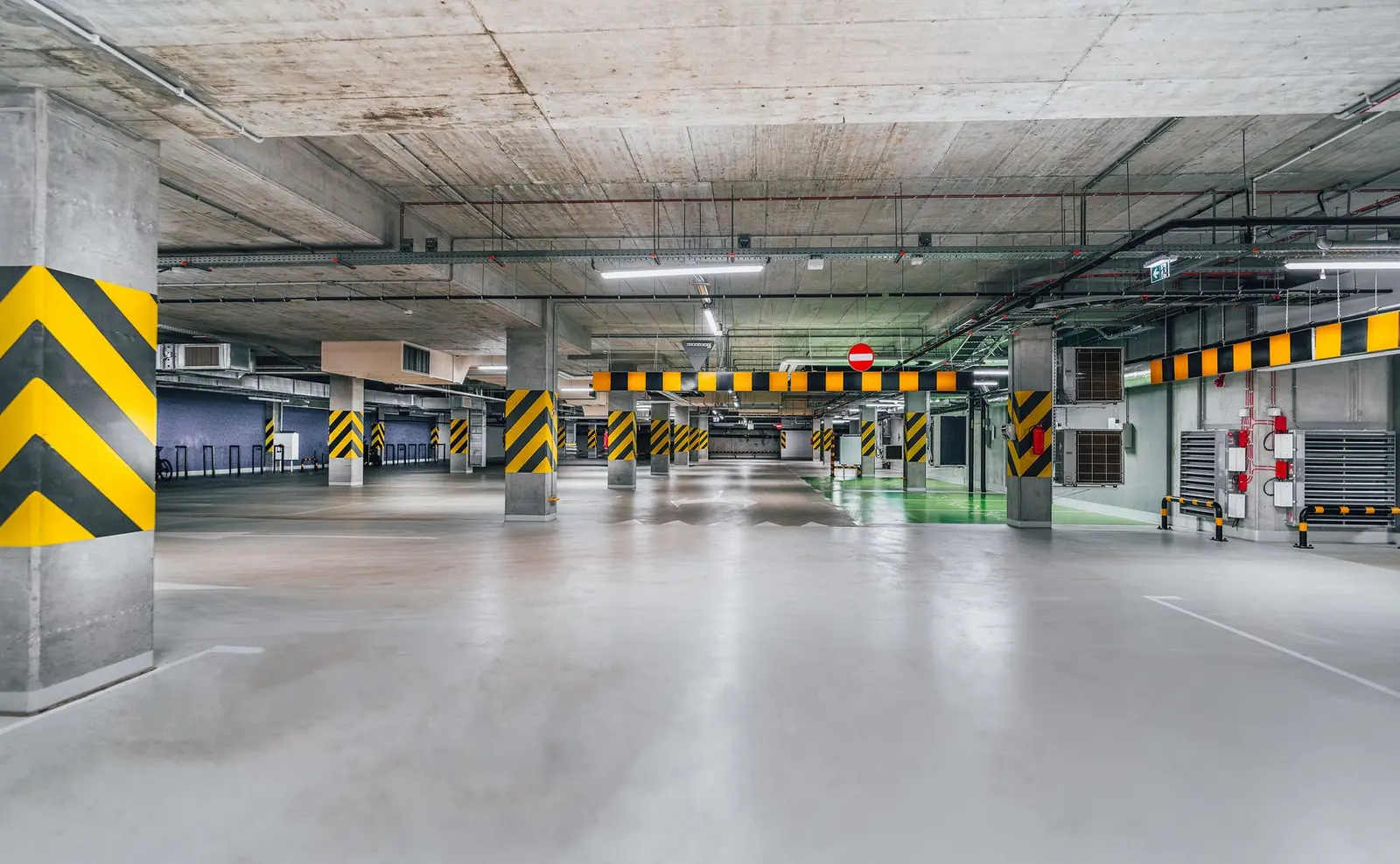
Epoxy Garage Floors
Diamond-ground, crack-repaired garage floors with flake or solid color epoxy and a topcoat built for salt and tires.
More on Epoxy Garage Floors
Questions
Good questions to ask before you pour
How does Layton's winter weather affect new concrete?
It's the biggest factor in how long a slab keeps looking good. Water that seeps into the surface freezes and expands dozens of times a winter, so outdoor work uses air-entrained concrete, slopes to shed meltwater and has joints placed to control cracking. Skip the salt bag entirely during a new slab's first winter (sand gives traction without the damage), and a penetrating sealer will help it stand up to brine in the years after.
Does my project need a permit, and what about the HOA?
Often, yes, and it depends on what you're building. Widening a driveway approach or cutting a curb touches the public right-of-way, which brings in a city permit, and tall retaining walls or walls holding up a driveway or slope can require an engineered design. Many east-bench and newer subdivisions have HOAs that want to see colors and patterns first, and every dig begins with a call to 811 so buried utilities get flagged.
What does a concrete project cost?
It comes down to the specifics, which is why the estimate is free. Size and thickness, how much digging and base the site needs, access for the trucks, any old concrete to break out and haul away, and the finish (broom, stamped, colored or coated) all move the number. A sloped lot that needs a wall before the patio will look different from a flat back yard.
Which towns do you cover besides Layton?
We take projects all over the Davis and Weber county towns, plus Morgan and Box Elder. That includes Kaysville, Clearfield, Syracuse, Farmington, Bountiful, Roy, Ogden and North Ogden, mountain-valley towns like Morgan, Mountain Green, Huntsville and Eden, and Box Elder towns like Perry, Willard and Brigham City.
When is the best time of year to pour?
Spring through fall is prime season for driveways, patios and courts, and summer pours start early in the morning to beat the heat. Digging, wall footings and demolition can keep going into the colder months with protected ground and insulated blankets, and epoxy floors go down whenever the slab and garage are warm enough, which a heater can solve. If you want a patio ready by Memorial Day, start the conversation in late winter.
We might move in a few years. What concrete work makes sense?
Fixes and practical upgrades usually make the most sense on a shorter timeline. Replacing a cracked or sunken driveway, adding a parking pad or coating a stained garage floor solves problems any next owner will notice, while bold colors and very personal patterns are better saved for a home you plan to keep. If you're expecting orders from Hill Air Force Base, share your timeline so the work is finished and cured well before the moving truck shows up.
Can a patio, a wall and a court be planned as one project?
Yes, and planning them together usually saves headaches. Order matters: walls and excavation come first so the ground is shaped, then flatwork like patios and driveways, and coatings or court surfacing come last once the slabs have cured. One plan also lets the finishes, colors and drainage work together instead of fighting each other.
Ideas
Ideas for your yard and garage
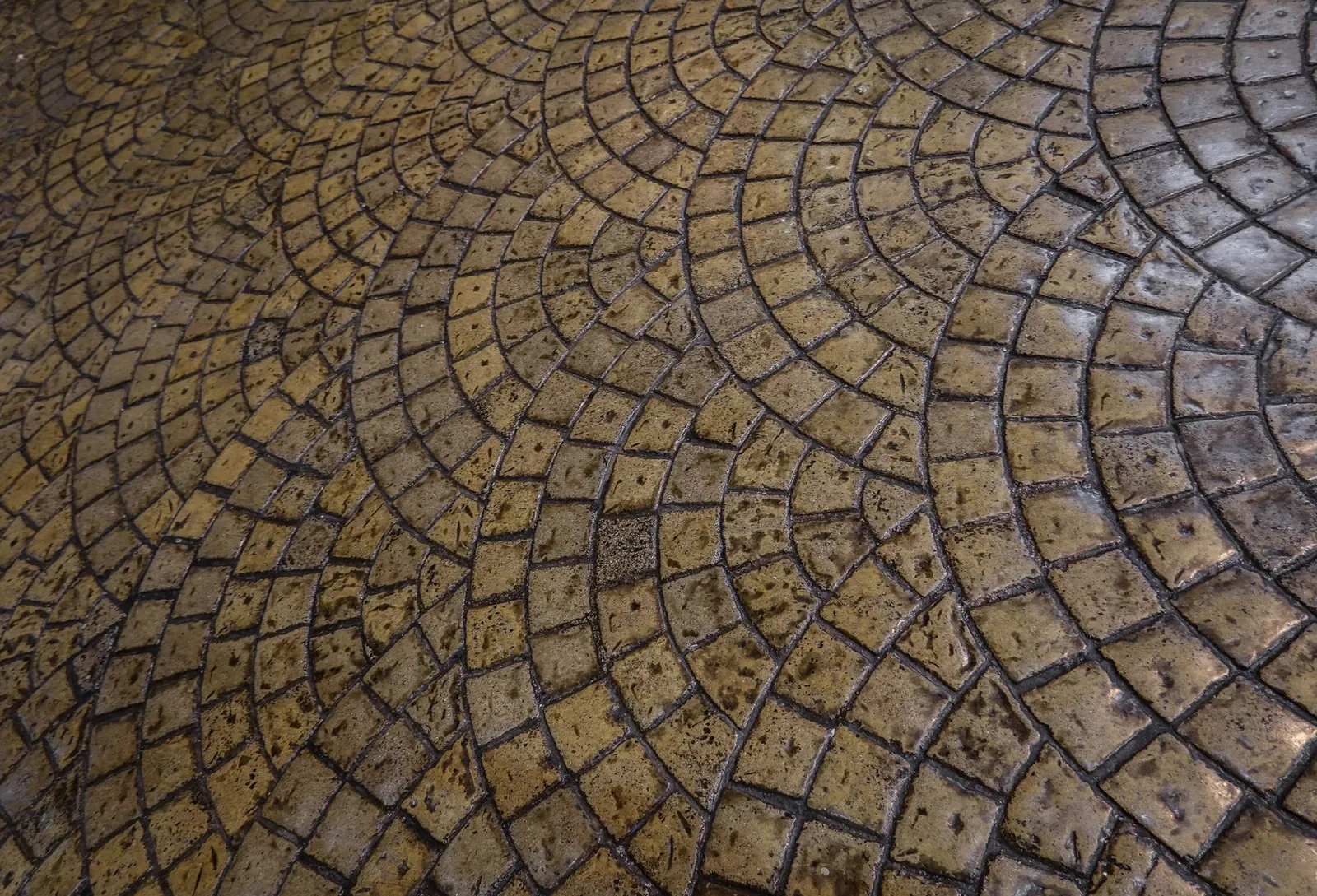
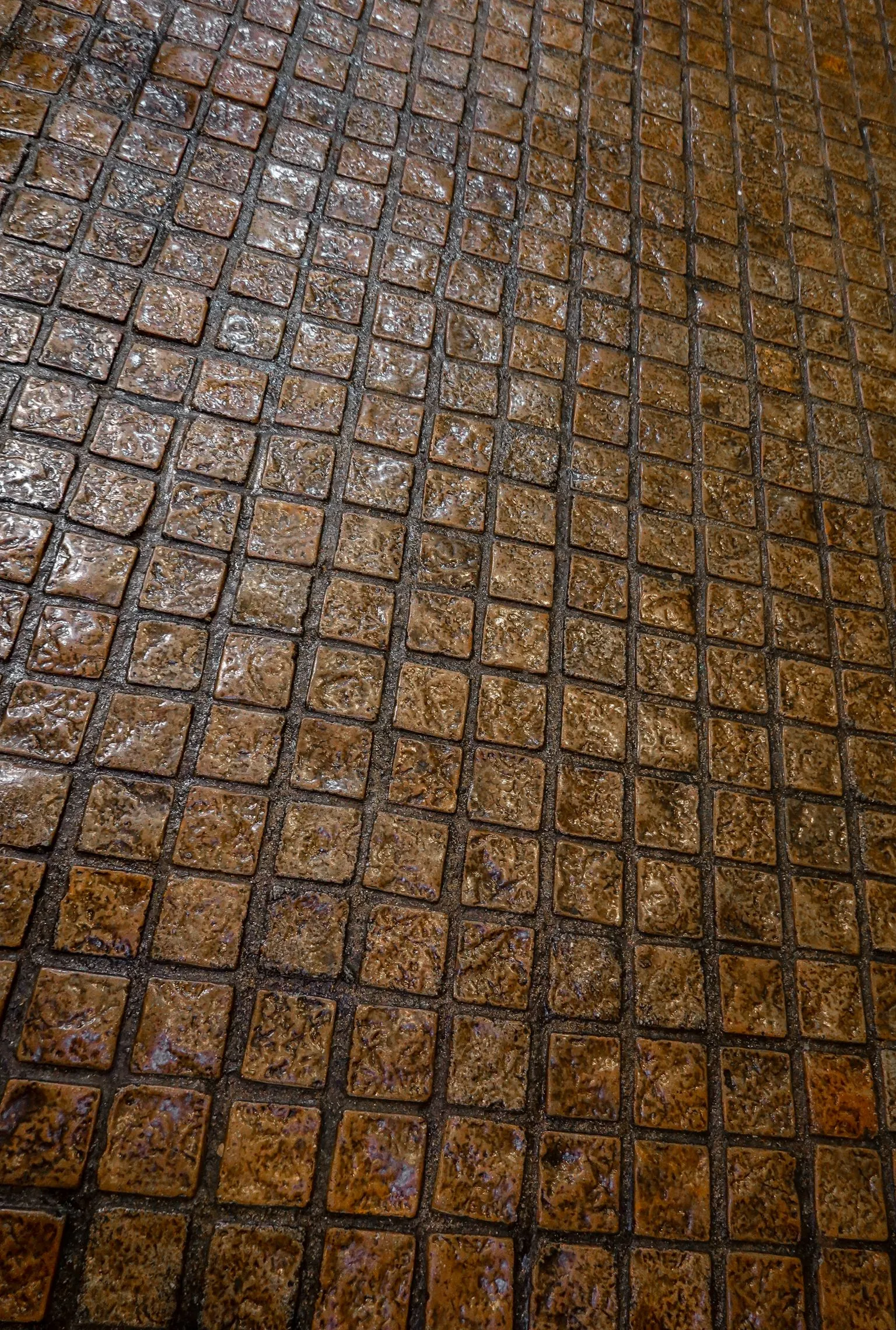
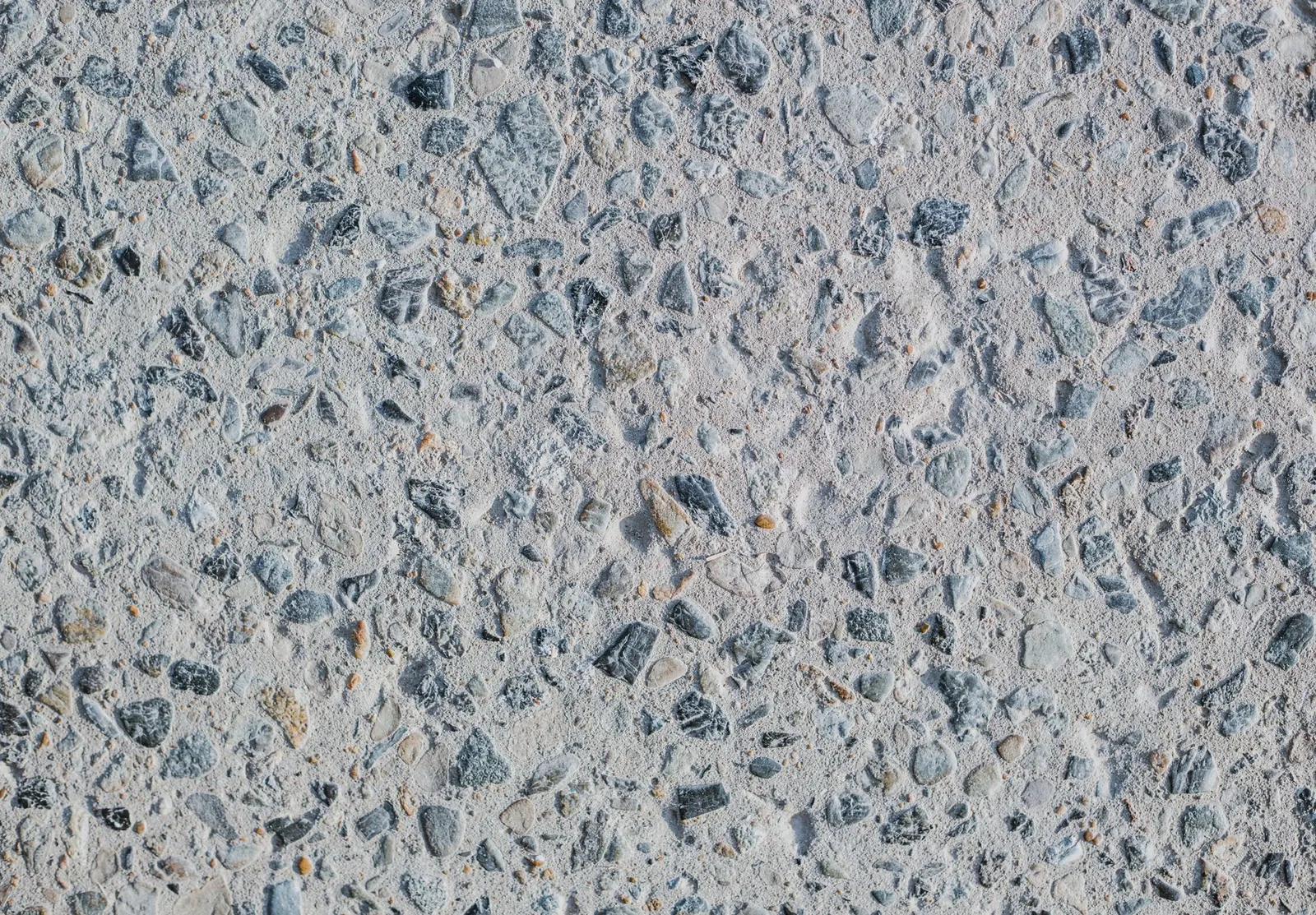
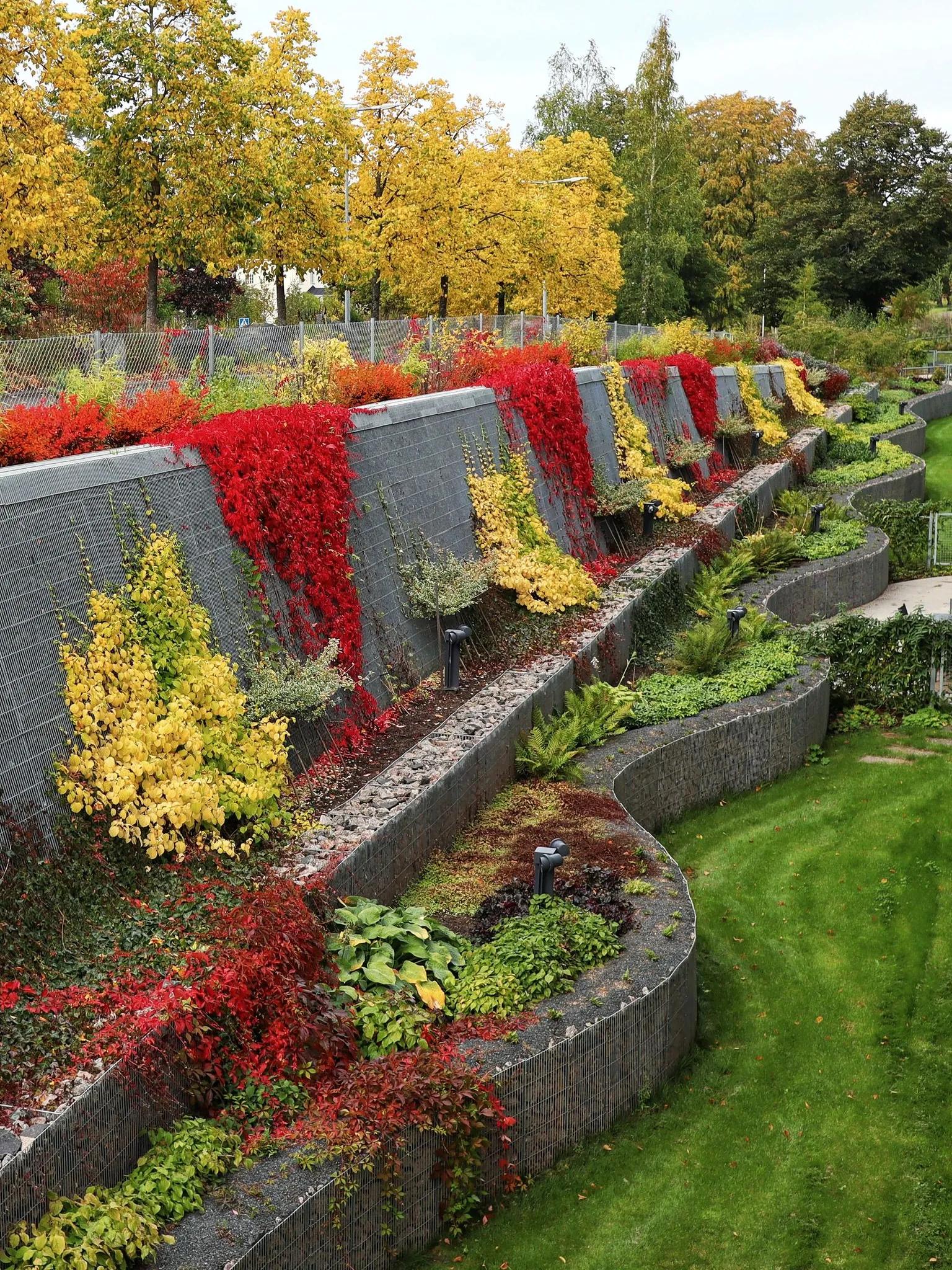
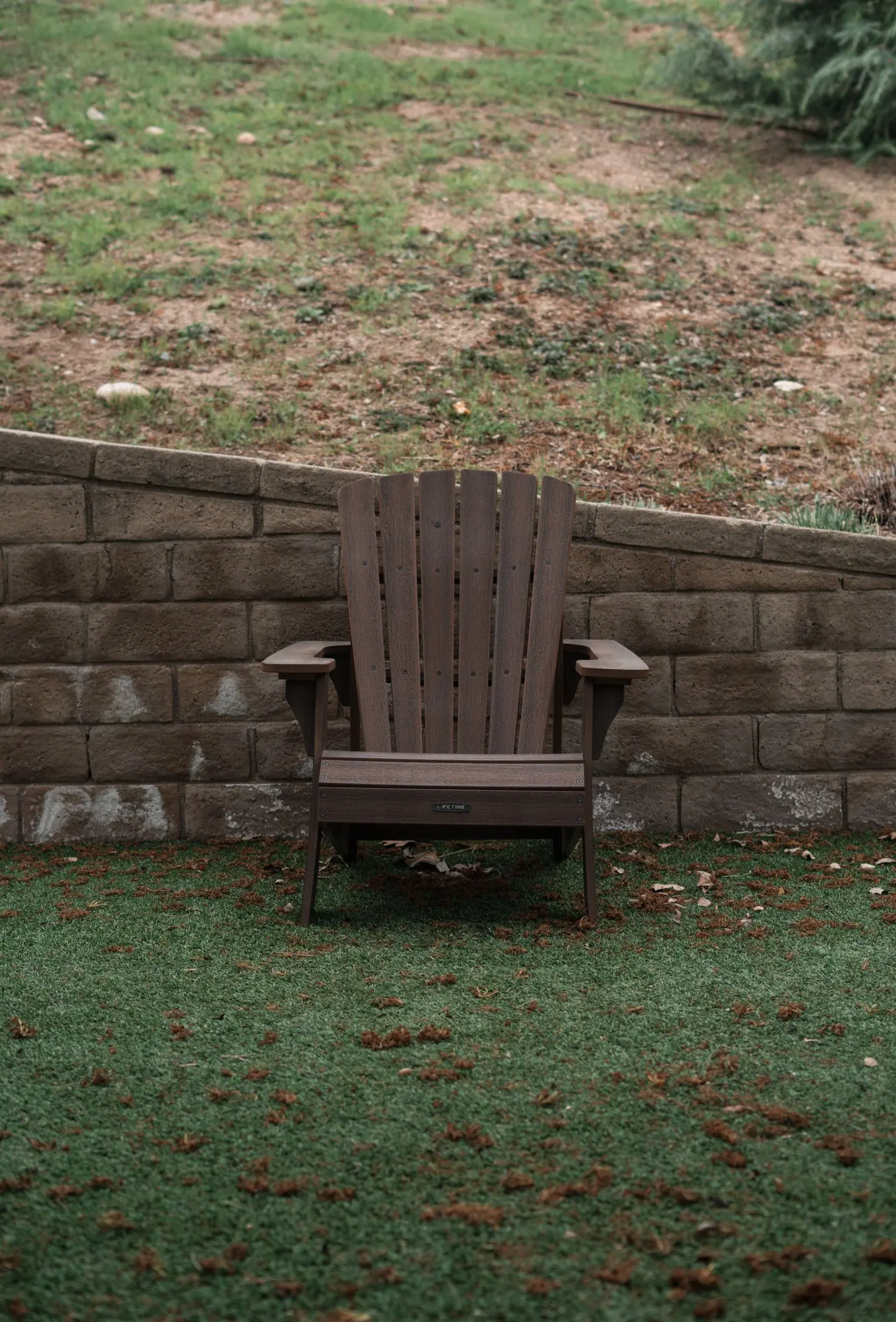
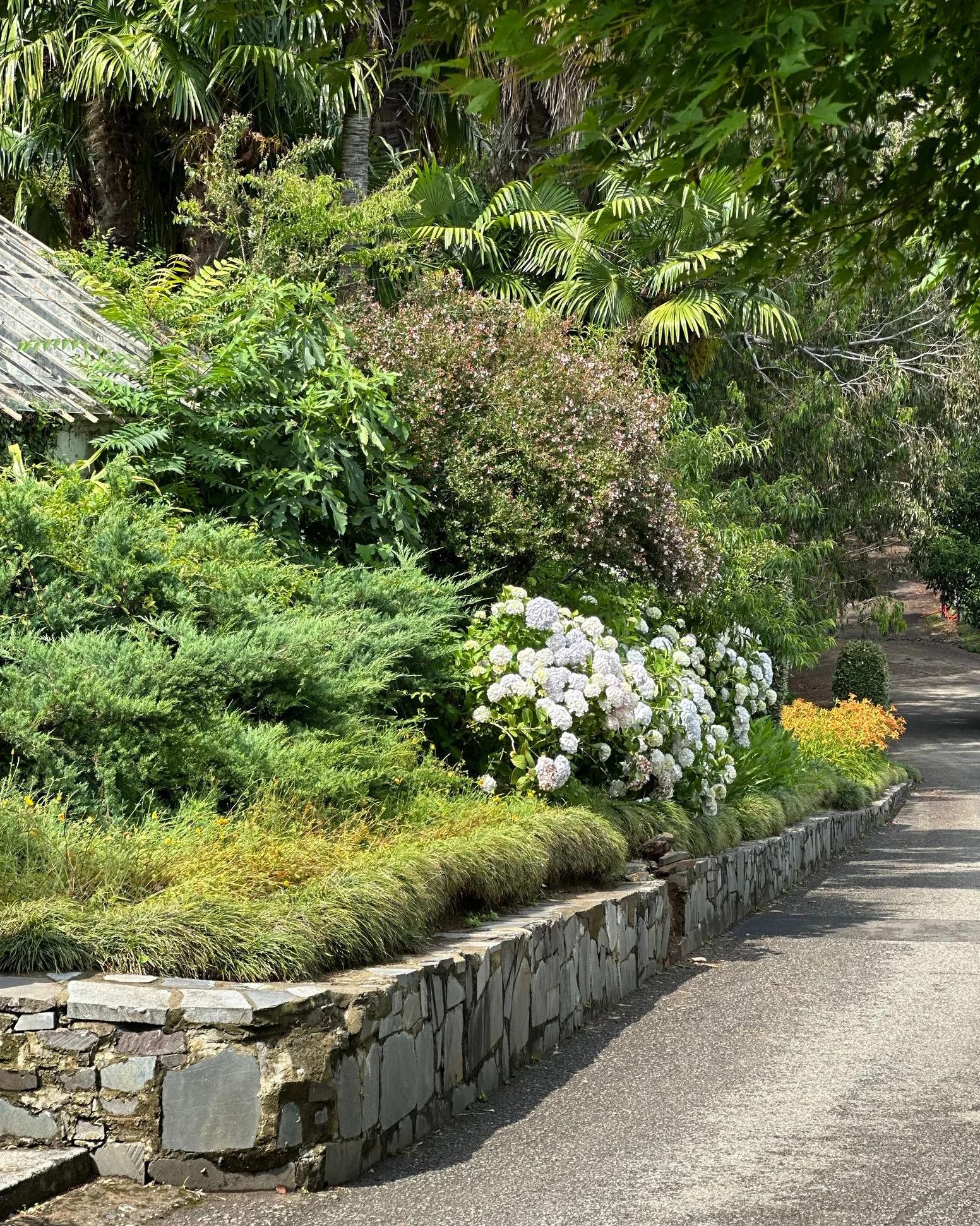
Example photos of this kind of concrete work.
How it works
From the first call to the first barbecue
- 1
Tell us what you have in mind
Use the form or call, and share the rough size, what the space is for and any photos or HOA paperwork you already have.
- 2
Walk the property together
The contractor calls you back and sets up a visit to measure, check grade and drainage, and look at how trucks will reach the spot.
- 3
Choose the finish and get your estimate
We help you weigh broom, stamped, colored or coated options, then you get a free estimate for the scope you picked.
- 4
Prep, pour and cure
Excavation, base and forms come first, then the pour and a curing period, with care notes to carry the new concrete through its first winter.
Service area
Layton and the towns around it
Inside Layton, that means everywhere from Church Hills and Aspen East to the streets around Layton Commons Park and the Davis Conference Center. Beyond the city, we cover the Davis and Weber county towns plus Morgan and Box Elder, from North Salt Lake up to Corinne.
Davis County
Weber County
Morgan County
Box Elder County
Ready to plan your yard or garage?
Send a few details or call, and the contractor will reach out to arrange your free estimate.